
Posters, Page 2
Bestsellers
Product sorting
List of products
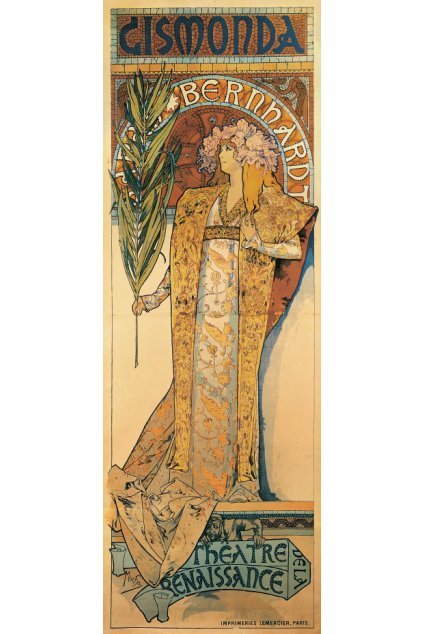
This is the poster that made Mucha famous. The story of its creation is legendary, with many commentators arguing over its details. There is no question that Mucha himself saw...
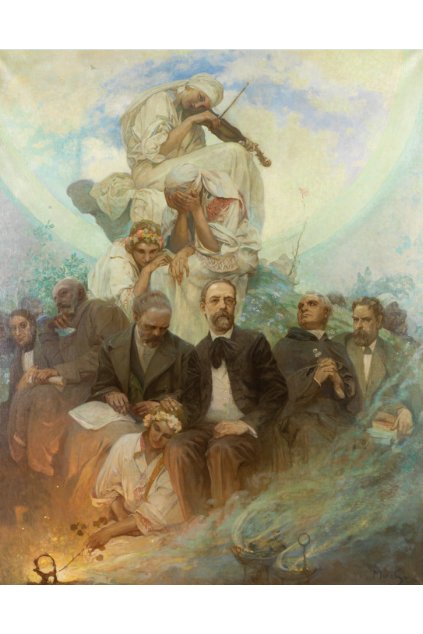
The painting is a paean to several famous Czech composers, celebrated and glorified by admiring angels. The bearded gentleman in the centre is Bedřich Smetana (1824–1884) best...
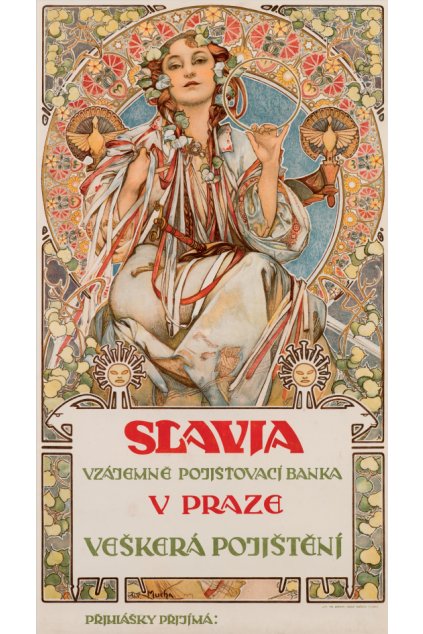
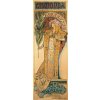
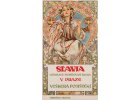
Slavia holds a ring in her hand which symbolizes unity, and there are two stylized peace doves on the armrests of the hidden throne she is sitting on; but just in case, she also...
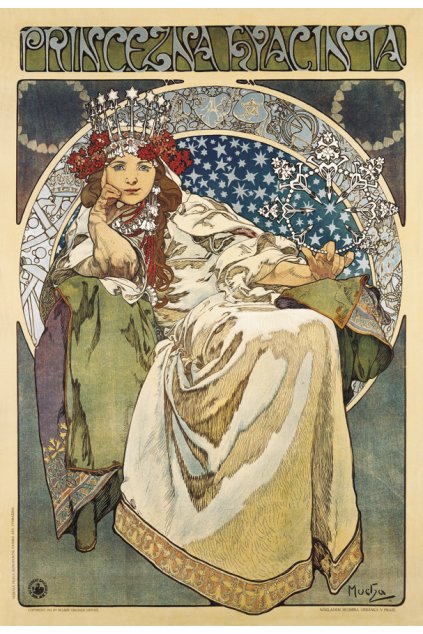
The poster for Princess Hyacinth promotes Ladislav Novák and Oskar Nedbal’s pantomime ballet, starring popular actress Andula Sedláčková. The hyacinth motif recurs throughout...
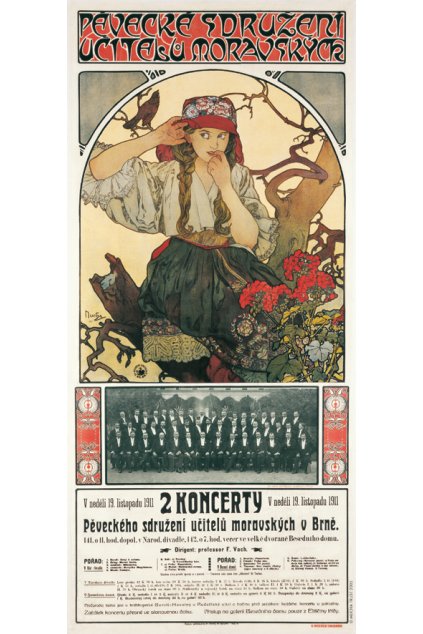
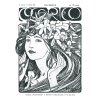
The Moravian Teachers’ Choir was a choral ensemble, whose repertoire ranged from classical to popular and folk music, including compositions by Leoš Janáček. The choir toured in...
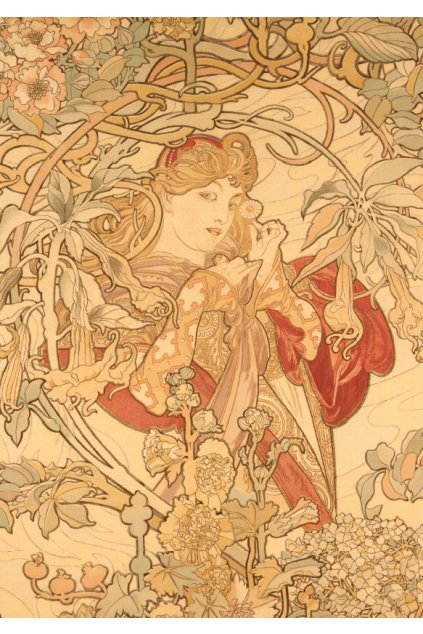
This poster depicts a gentle young woman holding a single daisy, her tranquil expression and flowing lines capturing the elegance and romantic idealism characteristic of...
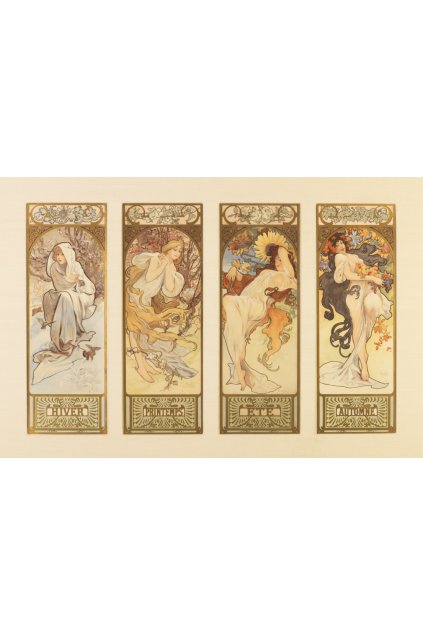
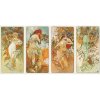
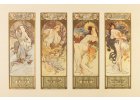
With the decorative panel set of THE SEASONS of 1896 a proven success, Champenois had Mucha repeat the idea in a new design in 1897, and the result are four more lovely nymphs...
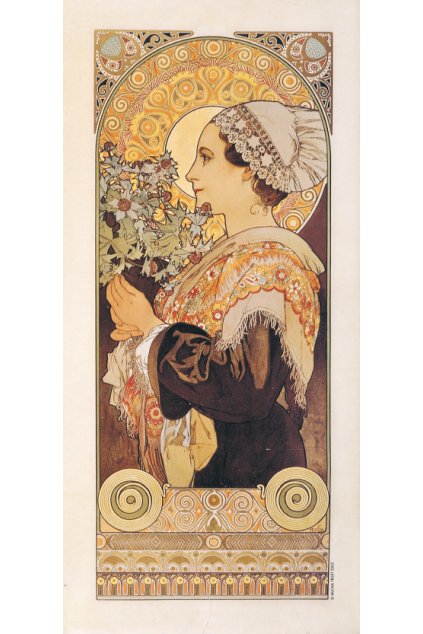
Full name Thistle from the Sands. Mucha regularly holidayed in the coastal province of Brittany in northwestern France, and referred to this panel as La Bretonne....
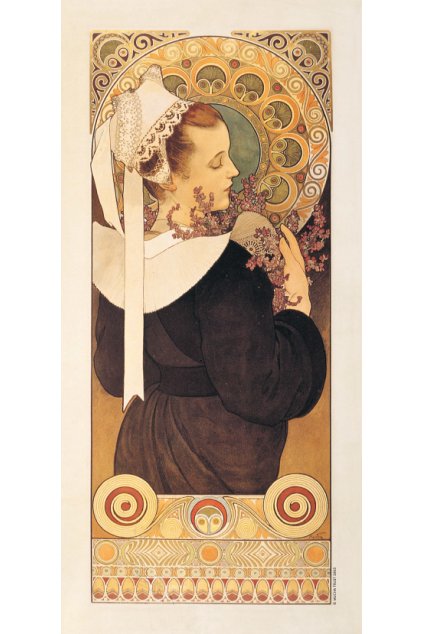
Full name Heather from Coastal Cliffs. Mucha regularly holidayed in the coastal province of Normandy in northwestern France, and referred to this panel as La Normande.
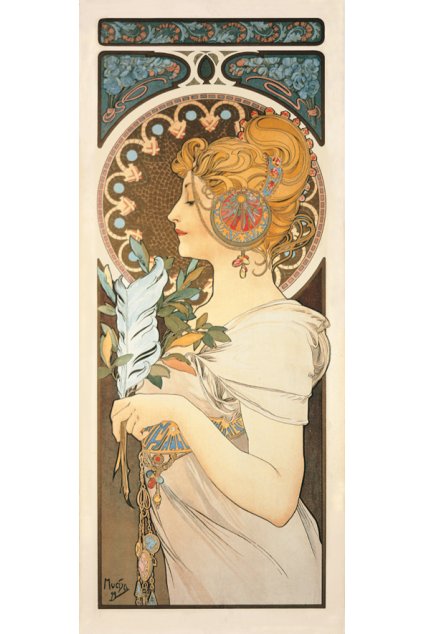
This panel was the first of the Primrose and Feather panels to be published. The geometrical mosaic motif contrasts with the floral ornamental circle inspired by nature in the...
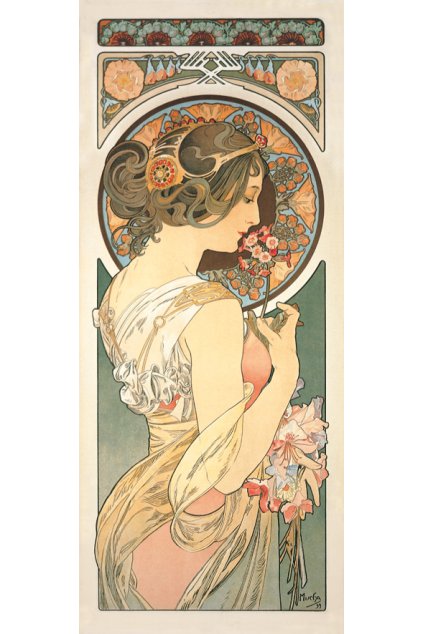
This panel was originally called Flower, but after the publication of the Flowers series, its name was changed to Primrose. It was printed on vellum paper and sold for 12...
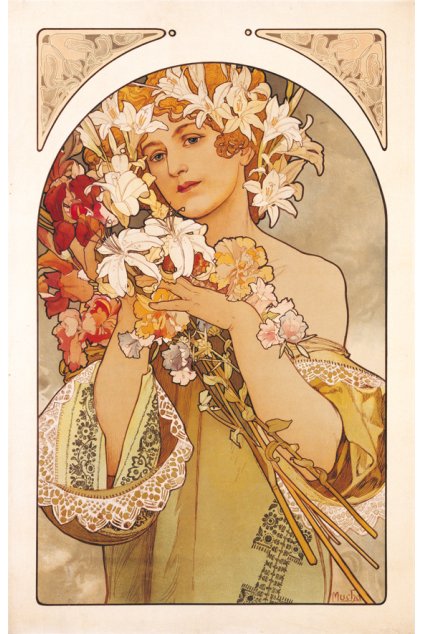
Flower portrays a serene young woman adorned with blossoms, her flowing hair and delicate pose embodying the natural beauty and harmony central to the Art Nouveau style.
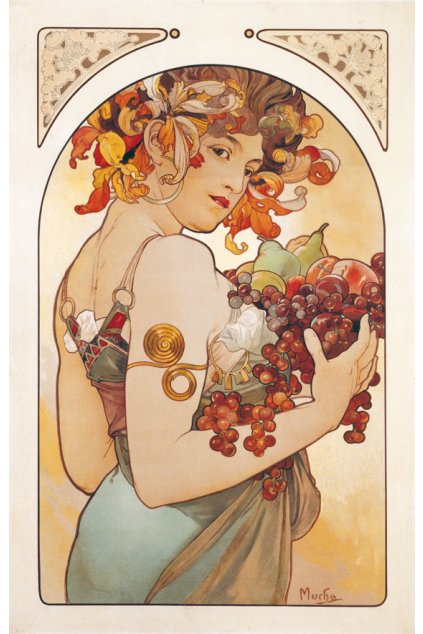
Fruit is a graceful Art Nouveau lithograph depicting a serene woman surrounded by lush, ripe fruits and flowing natural forms, symbolizing abundance and sensuality.
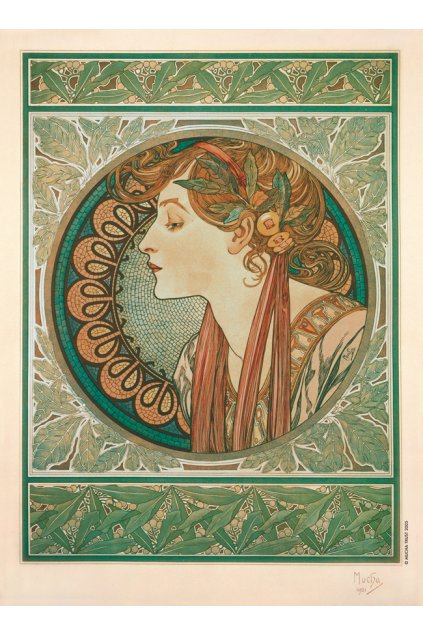
The position of the girl's head, with slightly lowered eyes, is repeated in three out of the glass panels Mucha designed the same year for the interior of the Boutique...
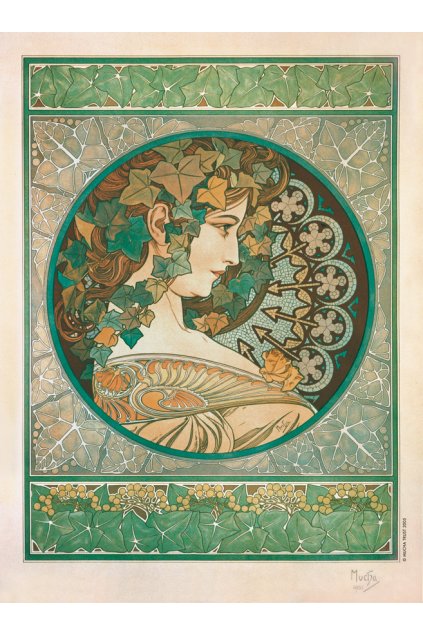
This panel recalls the poster Mucha designed for the dancer Lygie the same year and may well have been inspired by her. The decorative ivy foliage transforms the circular frame...
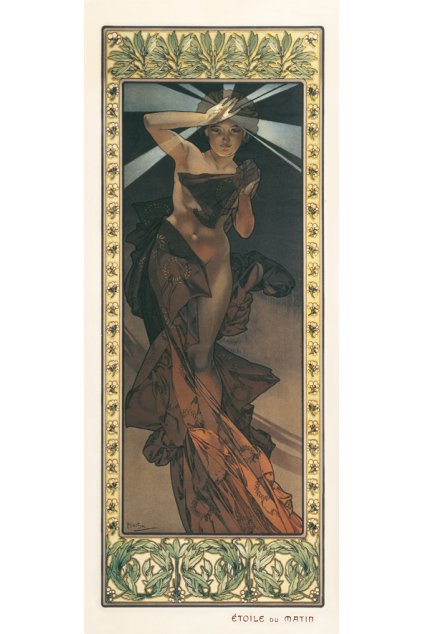
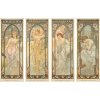
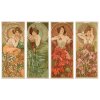
In this series of decorative panels, Mucha again chose to personify the stars as female figures. This time, however, he sought to surpass the panels' decorative function by...
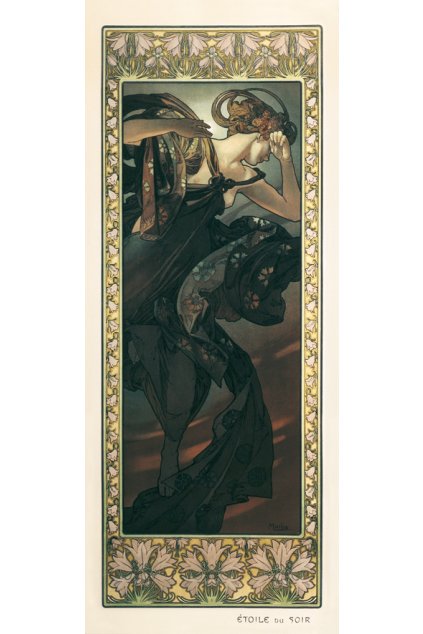
In this series of decorative panels, Mucha again chose to personify the stars as female figures. This time, however, he sought to surpass the panels' decorative function by...
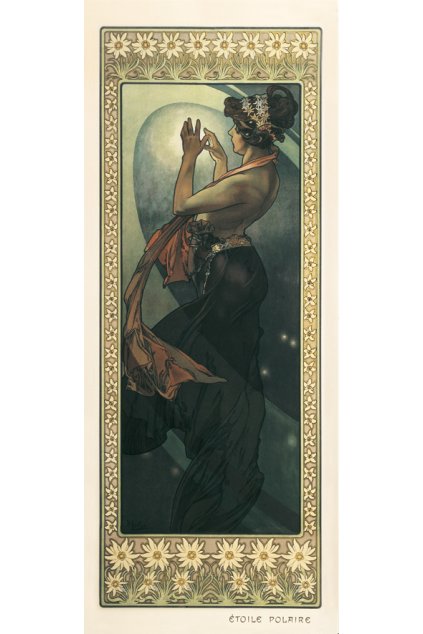
In this series of decorative panels, Mucha again chose to personify the stars as female figures. This time, however, he sought to surpass the panels' decorative function by...
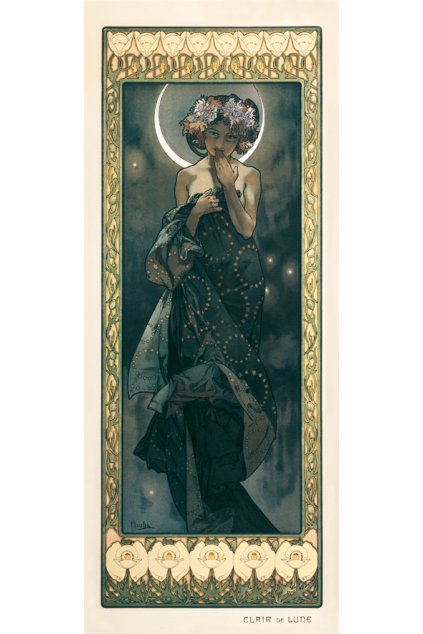
In this series of decorative panels, Mucha again chose to personify the stars as female figures. This time, however, he sought to surpass the panels' decorative function by...
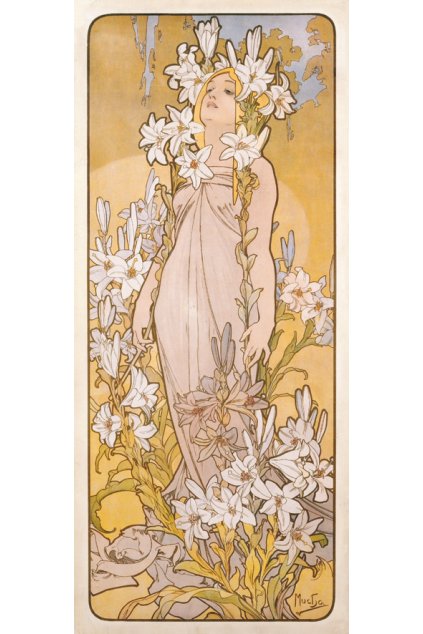
For this cycle, Mucha selected a more naturalistic approach, demonstrating his sensitive and attentive observation skills in rendering the flowers’ characteristics. The original...
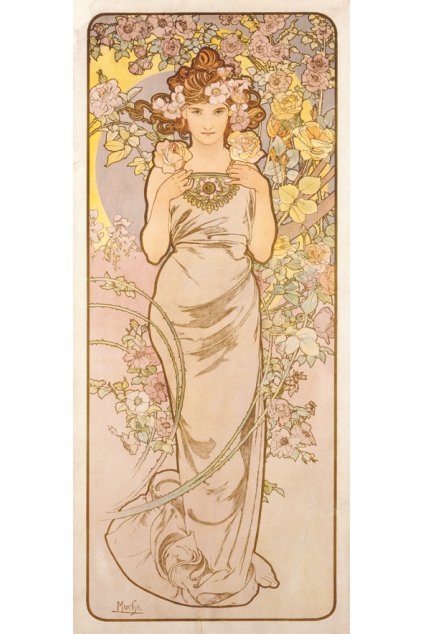
For this cycle, Mucha selected a more naturalistic approach, demonstrating his sensitive and attentive observation skills in rendering the flowers’ characteristics. The original...
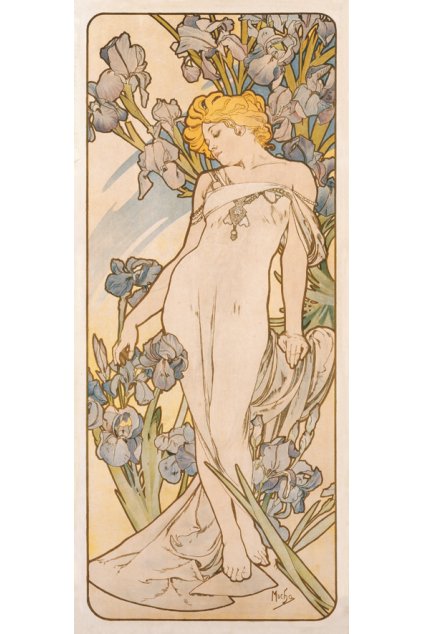
For this cycle, Mucha selected a more naturalistic approach, demonstrating his sensitive and attentive observation skills in rendering the flowers’ characteristics. The original...
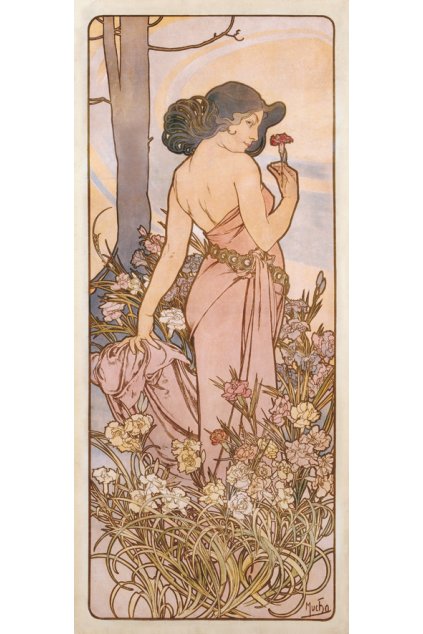
For this cycle, Mucha selected a more naturalistic approach, demonstrating his sensitive and attentive observation skills in rendering the flowers’ characteristics. The original...
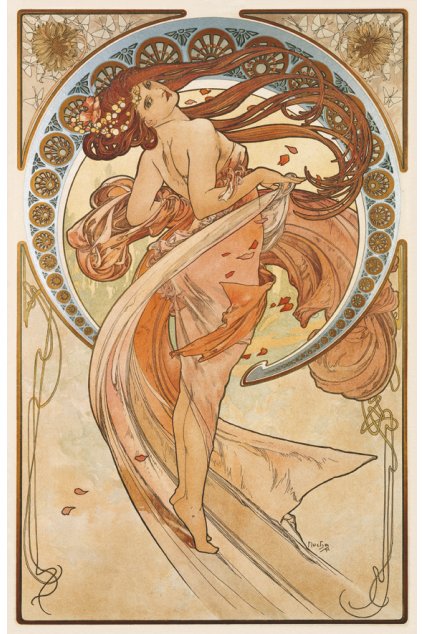
In his cycle glorifying the four arts, Mucha deliberately refrained from traditional attributes, such as plumes, musical instruments and painter’s paraphernalia, instead setting...